

Top Industrial 3D Printing Trends in 2026
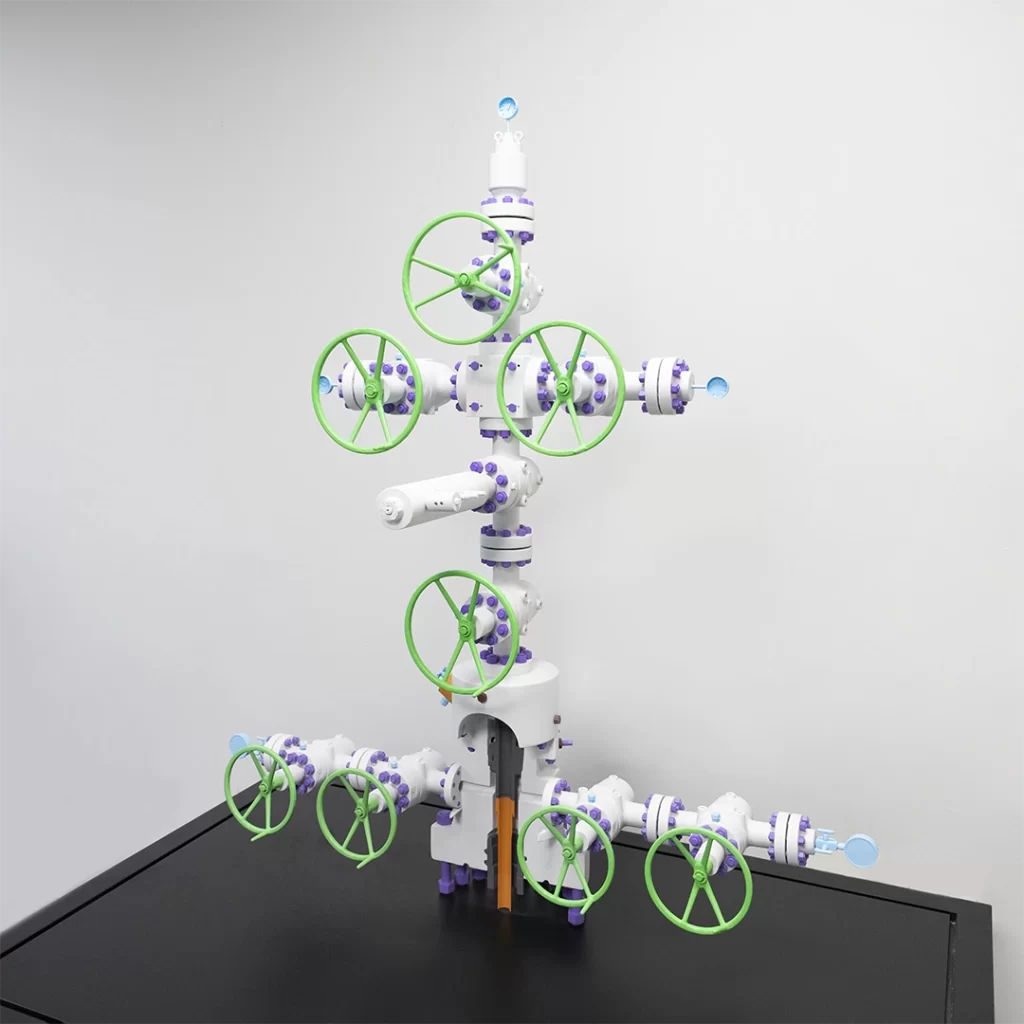
Industrial 3D printing is no longer just a prototyping tool. In 2026, it’s becoming a core manufacturing strategy for industries that need speed, customization, and cost control. From factories in Europe to 3D printing companies in Dubai, the shift is clear: additive manufacturing is moving deeper into real production. Let’s break down the most important industrial 3D printing trends shaping 2026 and what they mean for manufacturers, product teams, and businesses in the UAE. 1. Industrial 3D Printing Moves From Prototyping to Production For years, 3D printing was mainly used for prototypes. In 2026, that line is officially gone. Industrial 3D printing is now used for: This is driving demand for custom 3D printing services and on-demand 3D printing companies, especially among startups and SMEs that want to avoid tooling costs. In markets like the UAE, many 3D printing manufacturers are expanding beyond prototypes into low- and mid-volume production. 2. Smart Factories and Digital Manufacturing Integration One of the biggest 2026 trends is the integration of 3D printing into smart factory ecosystems. What this really means is: This trend is especially relevant for industrial 3D printing companies serving manufacturing hubs such as Dubai and the UAE, where speed and flexibility are critical. 3. Growth of On-Demand and Localized 3D Printing Services Supply chain disruptions have permanently changed how companies think. In 2026, more businesses are choosing: Search demand for terms like 3D printing services near me and 3D printing Dubai continues to rise, showing a clear shift toward regional manufacturing partners. 4. Advanced Materials Drive Industrial Adoption Material innovation is a major reason 3D printing is scaling so fast. In 2026, manufacturers are widely using: These materials enable 3D printing manufacturing in Dubai and other industrial regions to support real-world applications across automotive, aerospace, and industrial tooling. 5. Industry-Specific Industrial 3D Printing Applications Industrial 3D printing is no longer generic. It’s becoming highly specialized. Automotive and Aerospace This fuels demand for 3D printing for automotive and 3D printing for aerospace applications. Architecture and Construction This keeps architectural 3D printing services in strong demand across the GCC. Custom Awards and Branding Even niche sectors like 3D printed trophies and awards services benefit from industrial-grade printing systems. 6. Customization Becomes a Competitive Advantage In 2026, customization is no longer a luxury. 3D printing allows: This is why custom 3D printing Dubai and 3D printing prototyping services remain high-intent search terms for businesses looking for flexible manufacturing partners. 7. Sustainability and Waste Reduction Sustainability is a key driver for industrial adoption. Compared to traditional manufacturing, industrial 3D printing: Many 3D printing companies in UAE are now positioning additive manufacturing as both a cost-efficient and environmentally responsible solution. What These Trends Mean for Businesses in Dubai and the UAE If you’re working with or evaluating 3D printing companies in Dubai, these trends point to one clear reality: Industrial 3D printing in 2026 is about production, not experimentation. Businesses that partner with experienced 3D printing service providers gain: Final Thoughts: Industrial 3D Printing in 2026 3D printing is reshaping how products are designed, produced, and delivered. In 2026, the companies winning are those using additive manufacturing strategically, not just experimentally. For manufacturers, architects, and brands across Dubai and the UAE, working with the right 3D printing partner can unlock speed, flexibility, and innovation that traditional methods simply can’t match. Looking for 3D printing solutions in Dubai or the UAE? Explore how advanced 3D printing services can support prototyping, customization, and production for your next project.