

The Science of Physical Models in Decision Making | Architectural Model Making Dubai
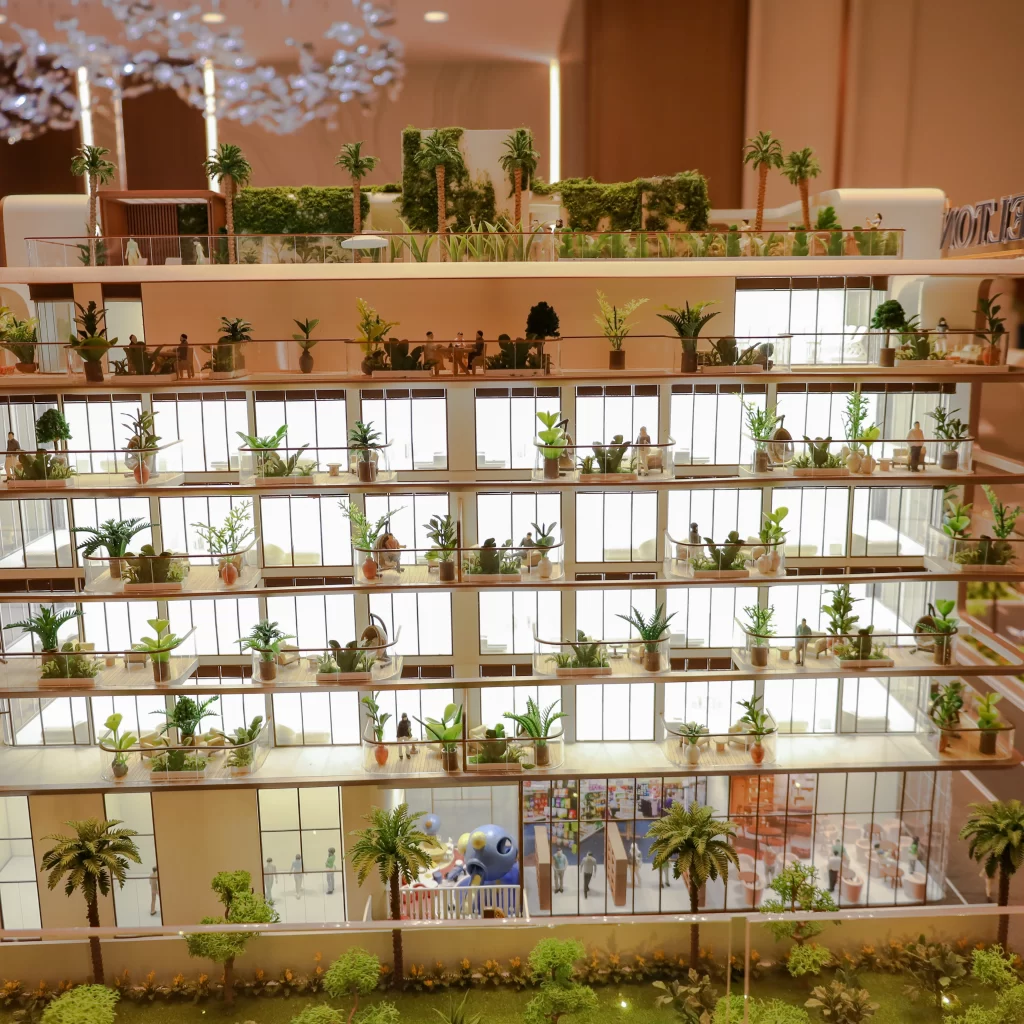
In today’s world, technology has transformed the way projects are designed and presented. Artificial intelligence generates concepts within seconds. BIM provides highly detailed digital environments. Virtual reality allows stakeholders to walk through buildings before construction even begins. Yet despite all these advancements, one thing hasn’t disappeared. Physical models Across the UAE, leading real estate developers, infrastructure companies, government authorities, and industrial organizations continue to invest in professionally crafted physical models when making important decisions. Why? Because while digital tools help people visualize, physical models help people understand. A well-crafted architectural model is more than a miniature version of a project. It transforms drawings, numbers, and digital files into something everyone in the room can interpret instantly. Whether it is securing investor confidence, evaluating a master plan, or presenting a development to stakeholders, physical models continue to play a vital role in decision-making. For companies looking for experienced model makers in the UAE, understanding the value behind these models is just as important as appreciating the craftsmanship itself. Quick Answer Why are physical models still used in modern construction? Physical models remain essential because they simplify complex designs, improve stakeholder collaboration, and help developers make confident decisions before construction begins. Even with BIM, AI, and virtual reality, physical models provide a tangible understanding that digital tools alone cannot replicate. Why Our Brains Understand Physical Models Better? Humans have evolved to understand the world through physical space. We naturally judge distance, height, scale, and proportion by moving around objects and viewing them from different angles. While digital renderings are visually impressive, they remain confined to a screen. A physical model allows people to experience a project in a much more intuitive way. Imagine reviewing a new residential community. On a computer screen, every stakeholder may focus on different details. But when everyone gathers around a scale model, conversations become clearer. Streets, public spaces, landscaping, building relationships, and overall project flow become immediately understandable. This is one reason why physical models remain valuable even in an era of advanced visualization technologies. They simplify complexity. Instead of interpreting technical drawings or switching between multiple digital views, decision-makers can understand an entire development at a glance. This ability to communicate ideas quickly is why architectural model making continues to be an important part of major projects throughout the region. Better Decisions. Fewer Mistakes. Every construction project involves thousands of decisions. A small oversight during planning can become a costly challenge during construction. Physical models provide an opportunity to identify potential issues before they become expensive problems. For example, project teams can evaluate: Building orientation Relationships between surrounding structures Road access and circulation Public spaces and landscaping Overall master planning Visual impact from different viewpoints These discussions become significantly easier when everyone is looking at the same physical representation of the project. Instead of relying solely on technical drawings, stakeholders can collaborate around a tangible model, making meetings more productive and reducing misunderstandings. This is why Scale Model Making continues to support smarter planning for residential communities, commercial developments, mixed-use projects, and large master plans. Why Developers Still Invest in Physical Models If digital renderings are already available, why do developers continue investing in physical models? The answer lies in confidence. Major developments involve investors, consultants, government authorities, contractors, sales teams, and future buyers. Each group views a project from a different perspective. A physical model creates a shared understanding. It helps investors appreciate the scale of an opportunity. It helps planning authorities visualize how a project integrates with its surroundings. It gives sales teams an engaging way to communicate a development. It allows buyers to experience a future community long before construction begins. Unlike a presentation slide, a physical model encourages conversation. People naturally gather around it, ask questions, compare viewpoints, and discuss possibilities. For this reason, many leading developers continue to work with experienced model makers to support project approvals, investor presentations, sales galleries, and marketing launches. Where Precision Makes the Difference Every project has unique challenges. A luxury waterfront development requires different detailing than an industrial facility. A mixed-use community demands different levels of complexity compared to a transportation hub. Professional model-making services combine engineering accuracy with craftsmanship to ensure every model communicates exactly what it needs to. At Crystal Corporation, every physical model is designed with a clear objective—not simply to showcase a project, but to help clients communicate ideas, simplify complexity, and make informed decisions with confidence. The Future of Model Making Technology will continue to evolve. Artificial intelligence will become smarter. Virtual reality will become more immersive. Digital visualization will become even more realistic. But none of these technologies replace the experience of seeing a project in physical form. Instead, they complement it. Today’s most successful developments often combine digital visualization with expertly crafted physical models, allowing teams to experience projects from multiple perspectives before construction begins. As cities become more ambitious and developments more complex, the need for clear communication and confident decision-making will only grow. Conclusion The role of physical models has never been about replacing technology. It has always been about helping people understand ideas more clearly. From ambitious master plans to landmark developments and industrial projects, physical models provide the clarity needed to make confident decisions long before construction begins. They simplify discussions. They strengthen collaboration. They inspire confidence. Most importantly, they help decision-makers see possibilities before they become permanent. “Technology helps us visualize. Physical models help us decide.” Planning a real estate, infrastructure, or industrial project? Crystal Corporation creates precision architectural models that help teams communicate ideas, gain stakeholder confidence, and make informed decisions. Contact us to discuss your next project. Frequently Asked Questions 1. Why are physical models still important in the digital age? Despite advances in AI, BIM, and 3D visualization, physical models provide a tangible understanding of a project. They help stakeholders evaluate scale, spatial relationships, and overall design more effectively, making them a valuable tool for planning, presentations, and decision-making. 2. How do physical models help real estate developers make better decisions? Physical