

Architectural Model Making in Dubai: Trends Shaping Real Estate in 2026
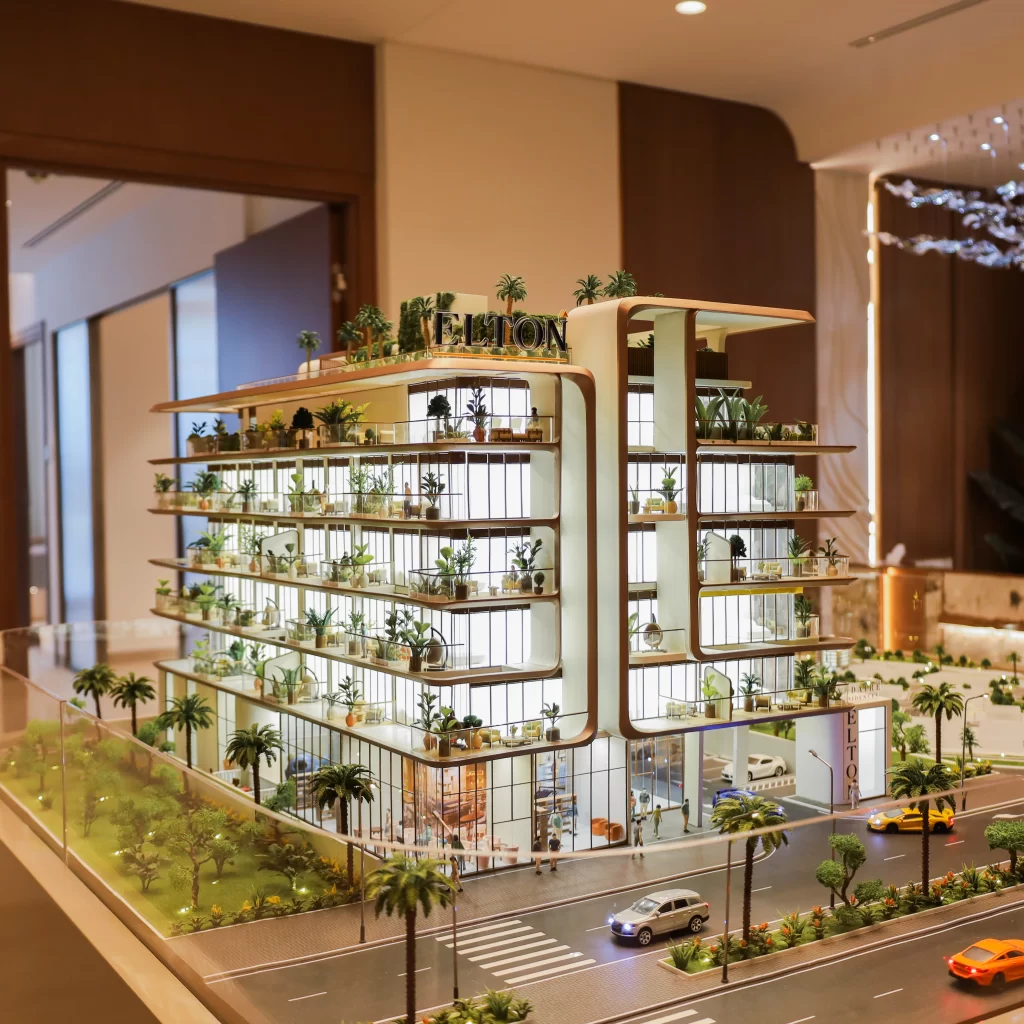
Architectural Model Making in Dubai: An Introduction Dubai’s real estate market continues to evolve through new residential communities, mixed-use developments, commercial destinations, hospitality projects and large-scale master plans. As projects become more ambitious, communicating architectural ideas clearly has become increasingly important. Digital drawings, BIM models, renders and walkthroughs all have an important role, but physical models continue to offer something different: they allow people to understand a proposed development spatially and at a glance. This is where Architectural Model Making in Dubai remains valuable in 2026. From detailed building models to large master plan presentations, architectural model makers in Dubai are increasingly combining traditional craftsmanship with digital fabrication, 3D printing, lighting, interactive elements and precise scale representation. The result is not simply a miniature version of a building. A well-designed architectural model can become a communication tool for developers, architects, investors, consultants and real estate sales teams. 2026 insight: Dubai’s property market is becoming more differentiated by community, development pipeline and asset type. That makes clear visual communication increasingly important when presenting individual projects rather than relying only on broad city-wide market narratives. Why Architectural Models Still Matter in Dubai’s Real Estate Market Real estate projects can be difficult to communicate through two-dimensional drawings alone. A physical model gives stakeholders an immediate understanding of: For a developer presenting a major project to investors or buyers, this visual clarity can make a complex proposal considerably easier to understand. This is one reason model making in Dubai continues to have a place alongside advanced digital visualization. The strongest presentations often use both. Digital tools can communicate interiors, materials, movement and future scenarios, while physical models provide a tangible overview of the development. 7 Architectural Model Making Trends Shaping Dubai Real Estate in 2026 1. Larger and More Detailed Master Plan Models Dubai’s development pipeline includes projects where individual buildings form only one part of a much larger urban environment. For these developments, master plan scale model making can communicate the relationship between towers, villas, roads, landscaped areas, public spaces and amenities. A master plan model can help stakeholders understand the project as a complete destination rather than a collection of individual structures. This is particularly useful for: As real estate becomes increasingly community-focused, the ability to communicate the complete development vision becomes more important. 2. Interactive Scale Models Are Becoming More Valuable Static models remain useful, but interactive presentations can take architectural communication further. Interactive scale model makers can integrate features such as: These features allow a presentation model to communicate more information without making the physical model visually overwhelming. For sales centres and major property exhibitions, an interactive model can also become a focal point that attracts visitors and encourages conversations around the project. 3. 3D Printing Is Expanding What Model Makers Can Produce One of the biggest changes in contemporary model production is the growing use of digital fabrication. 3D scale model makers can use 3D printing to produce highly detailed architectural components, particularly when projects contain complex geometries or repeated elements. 3D printing can be useful for: The technology does not eliminate traditional model-making skills. Instead, it gives model makers another production method that can be combined with CNC cutting, laser cutting, hand finishing, painting and assembly. This hybrid approach can provide both precision and craftsmanship. 4. Greater Attention to Realistic Landscaping Landscaping is no longer simply a background feature in many real estate presentations. Parks, gardens, waterfront promenades, roads, pedestrian areas and public spaces can significantly influence how a development is perceived. For this reason, architectural scale model making in Dubai increasingly places greater emphasis on representing the relationship between buildings and their surrounding landscape. A detailed model may include: The objective is to communicate the experience of the development, not just its buildings. 5. Luxury Real Estate Requires Higher Presentation Standards Dubai’s luxury property market remains an important part of the city’s real estate identity. Knight Frank reported that Dubai recorded 296 residential transactions above US$10 million during the first half of 2026, with total sales value in this segment reaching US$5.1 billion. For premium developments, presentation quality matters. A luxury architectural model may therefore require: Here, architectural model makers are not simply manufacturing a miniature structure. They are creating a physical presentation asset that needs to reflect the positioning of the development itself. 6. Models Are Being Used Earlier in the Design Process Architectural models are also useful before a project reaches its final presentation stage. During design development, physical models can help teams evaluate: This makes architectural model making services useful not only for marketing but also for design communication. A model can reveal spatial relationships that may be less obvious when viewing individual drawings or screens. 7. Sustainable Design Is Influencing Real Estate Presentation Sustainability is becoming an increasingly important consideration in real estate development. The physical model can support this conversation by showing green spaces, shaded areas, landscaping strategies, pedestrian connections, water features and other site-level concepts. This is especially useful when the model is designed to explain how sustainability strategies interact with the broader development. The model itself can also be designed with material efficiency in mind, using appropriate fabrication methods and reducing unnecessary components where practical. How Real Estate Developers Can Use Architectural Models in 2026 A physical architectural model can serve several purposes throughout a project’s lifecycle. Investor Presentations Investors may need to understand the overall opportunity quickly. A detailed model can provide an immediate visual explanation of the development. Sales Centres A model can become the central visual element of a property sales environment, helping prospective buyers understand the location and relationship between different buildings. Property Exhibitions For developers participating in exhibitions, a large-scale model can attract attention and create a physical starting point for conversations. Planning and Design Reviews Models can help architects and project teams evaluate spatial relationships and communicate proposed changes. Marketing Campaigns High-quality models can also provide valuable photography and video material for websites, presentations and social media campaigns. Architectural Model Making vs. Digital
3D Printing in Architectural Model Making: Materials, Accuracy, and Limitations
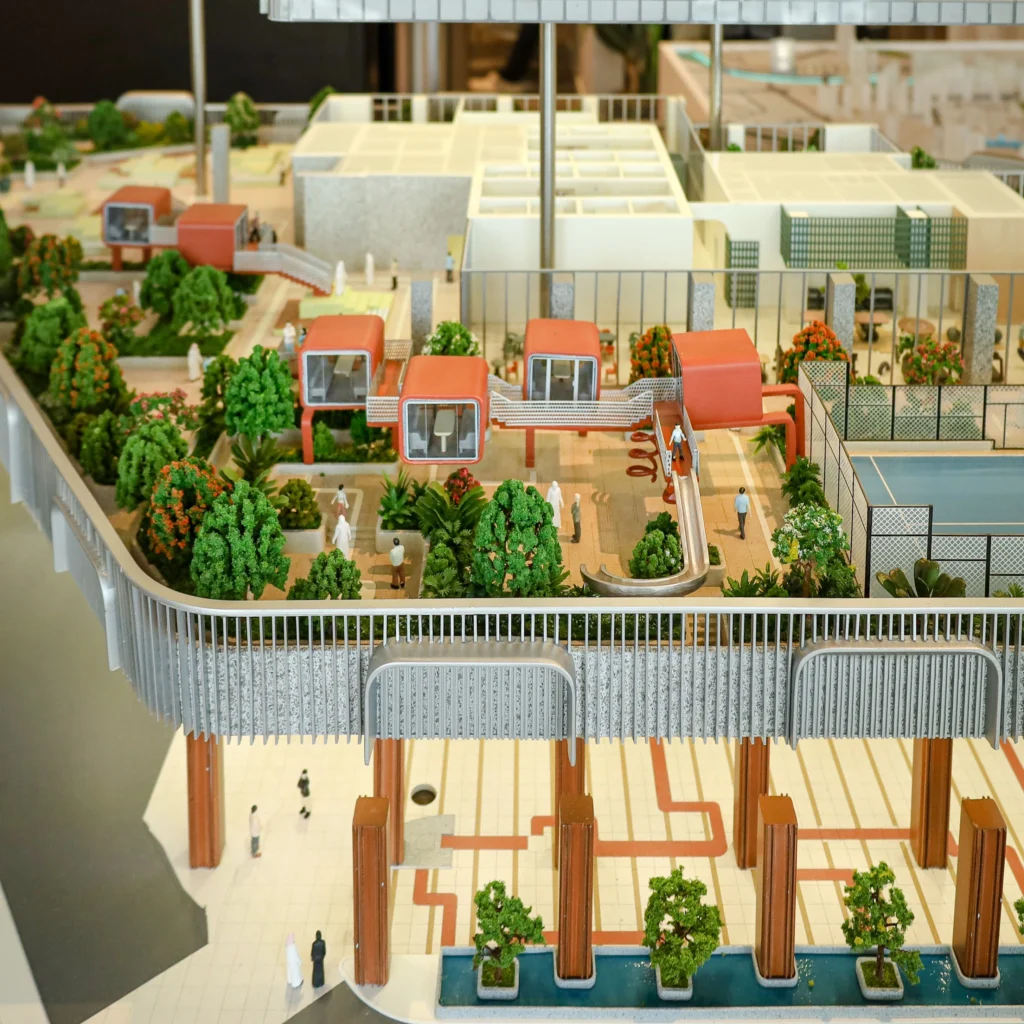
Introduction Model making has come a long way since it was purely a hand-and-blade craft. Hand cutting, CNC machining, laser cutting, and mould making are still very much part of the trade, but 3D Printing in Model Making has earned its place alongside them, especially for detailed components, complex forms, prototypes, and full scale models. The appeal for architects, developers, designers, and model makers is fairly obvious: you take a digital file and turn it into a physical object with dimensions you can repeat and geometry that would be painfully slow to cut or build by hand. That said, 3D printing isn’t a default “best option” for every model that comes through the door. Material choice, print resolution, layer height, the scale you’re working at, how much post-processing is needed, surface finish, and even how clean the original CAD file is — all of it shapes what comes off the printer. So before picking 3D printing over a more traditional route, it’s worth understanding what it actually does well, and where it falls short. This guide walks through how 3D printing gets used in architectural model making, which materials tend to come up, how accuracy really works in practice, where the technology shines, and where the old-fashioned techniques still win. What Is 3D Printing in Model Making? Put simply, 3D Printing in Model Making means building physical model components straight from a digital design, using an additive process — building the object up layer by layer, rather than carving it out of a block or piecing it together by hand. On an architectural project, that digital file might include things like: Once the file is prepped, the printer follows a set of instructions to build the part. Which printer and material make sense depends on the finish you need, the scale, the geometry, and of course the budget. That’s why 3D printing tends to earn its keep on models with repeated, intricate, curved, or heavily detailed parts. Why Bother With 3D Printing for Architectural Models? The biggest selling point is how well it handles complex geometry straight from a digital file. A design with curved façades, organic forms, or intricate repeating patterns can be a real headache to build manually. With a well-prepared file, a lot of that difficulty just goes away. 1. Complex geometry Forms that would take hours of careful hand-cutting and assembly can often be printed in one go. Think: 2. Repeatable components If a model needs a hundred nearly identical façade panels, columns, or windows, digital manufacturing keeps them consistent in a way hand-building rarely does. 3. Faster design iteration Architectural designs change — often. A revised digital model can go straight back to the printer without rebuilding every piece by hand, which is a big deal during design development or when presentation models need updating fast. 4. Detailed miniature components Some elements are simply too small or fiddly to make efficiently by hand. Depending on the printer, material, and scale, 3D printing can hold onto detail that would otherwise get lost. 5. Digital-to-physical workflow It creates a direct line from CAD or BIM straight to a physical object — no manual translation step in between, which speeds up moving from digital design to prototypes and presentation pieces. Materials Used in 3D Printing for Architectural Models Material choice should follow the model’s purpose, not just whatever filament happens to be sitting on the shelf. Different materials trade off strength, surface quality, resolution, flexibility, and how much post-processing they demand. PLA PLA is the everyday workhorse of 3D printing. It’s a solid choice for: It prints predictably and is easy to work with, though the surface usually needs some finishing if you’re going for a polished presentation look. ABS and similar engineering thermoplastics When a component needs to hold up to more handling or heat, engineering-grade plastics come into play — useful for functional prototypes. But warping, finishing demands, and whether your printer can actually handle the material are all things to check before committing to it for a presentation model. Resin Resin printing generally delivers finer detail and a smoother surface than most filament printing. That makes it a good fit for: The catch is extra post-processing — washing and curing, depending on the process — so it’s not always the fastest route. Other professional materials Specialist 3D printing service providers may have access to other materials depending on their equipment and what the project calls for. The main thing is to match the material to what the model is actually for. A rough massing study doesn’t need the same resolution or material as a client-facing presentation piece. How Accurate Is 3D Printing for Architectural Models? Accuracy is probably the most misunderstood part of this whole process. A printer’s spec sheet might quote a certain layer height or positional resolution, but that number on its own doesn’t tell you how accurate the finished part will be. What you actually get depends on: In other words, printer resolution and real-world dimensional accuracy are two different things. Scale matters more than you’d think The scale of the model changes what’s actually possible to print. A detail that reads clearly at 1:50 might simply disappear at 1:500 — it becomes too fine to reproduce. That’s why a good model maker checks the minimum printable feature size before sending a full model off to print. If a façade has very thin elements, they may need to be thickened or redesigned specifically for that scale. 3D Printing Accuracy vs. Architectural Model Requirements Model Requirement 3D Printing Suitability Large conceptual massing Excellent Complex curved geometry Excellent Repeated components Excellent Small decorative details Very good with suitable technology Extremely thin features Limited by scale and material Large flat surfaces Depends on technology and finishing Highly polished presentation surfaces May require post-processing Rapid design iterations Excellent One-off custom components Excellent Large architectural models Often combined with other fabrication methods The takeaway here is simple: the best models rarely come from one single production
Custom Awards for Businesses: Everything You Need to Know
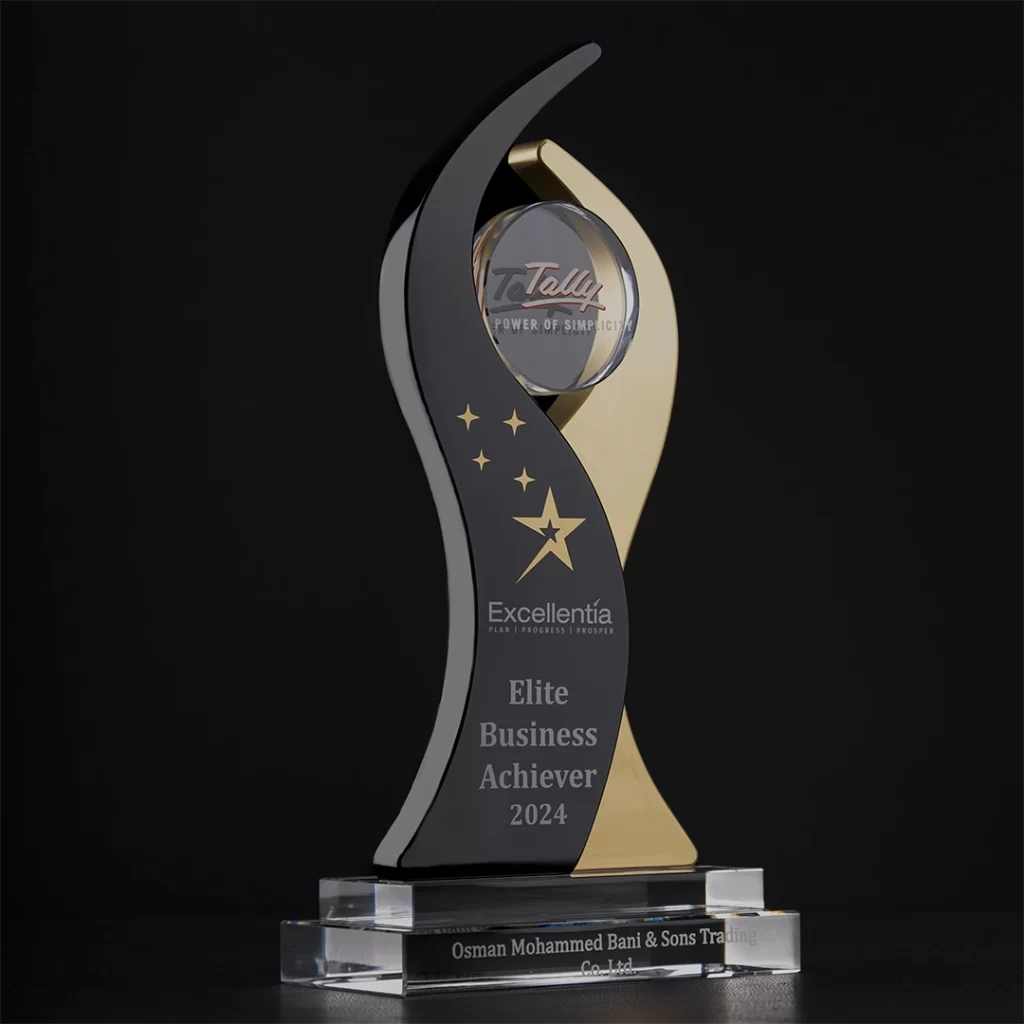
Employee recognition is no longer simply a nice gesture. It has become an essential part of building a motivated workforce, strengthening company culture, and celebrating milestones that matter. Whether you are recognizing outstanding employees, rewarding loyal clients, celebrating business partnerships, or honoring industry achievements, Custom Awards create memorable moments that leave lasting impressions. Today’s organizations are moving away from generic trophies and choosing personalized recognition pieces that reflect their brand identity and values. From elegant crystal awards to premium engraved plaques and executive trophies, custom-designed awards communicate appreciation in a way that feels meaningful and professional. For businesses in the UAE, especially those looking for awards and trophies Dubai suppliers, choosing the right award involves more than appearance. Material quality, craftsmanship, customization, and presentation all influence how recipients remember the recognition. This guide explains everything businesses should know before investing in custom awards, including award types, customization options, material selection, industry applications, and how to choose a reliable supplier. Why Custom Awards Matter More Than Ever Recognition has evolved beyond annual employee appreciation ceremonies. Modern businesses use awards throughout the year to acknowledge excellence, encourage innovation, and reinforce company values. A thoughtfully designed custom award tells recipients that their contributions truly matter. Unlike generic gifts, personalized recognition becomes a keepsake that employees proudly display for years. Businesses commonly use custom awards for: The emotional value of recognition often exceeds the monetary value of the award itself. When designed professionally, custom awards become symbols of achievement rather than ordinary gifts. What Are Custom Awards? Custom Awards are personalized recognition products designed specifically for an organization, event, or individual achievement. They can be customized with company logos, recipient names, award titles, event details, dates, and unique design elements. Unlike standard off-the-shelf trophies, custom awards reflect a company’s branding and purpose while creating a premium presentation. Popular customization options include: This level of personalization transforms a standard award into a memorable recognition piece. Benefits of Custom Awards for Businesses 1. Strengthen Employee Motivation Employees who feel appreciated often develop stronger loyalty and engagement. Recognition encourages individuals to maintain high performance while inspiring others to achieve similar success. Professional crystal awards create a sense of prestige that employees genuinely value. 2. Build a Positive Workplace Culture Recognition encourages collaboration instead of competition. Award programs reinforce company values while celebrating behaviors that contribute to organizational success. When employees see achievements recognized consistently, they better understand what excellence looks like. 3. Reinforce Your Brand Identity Every custom award represents your company. Including your logo, colors, typography, and messaging strengthens brand recognition during internal ceremonies and public events. Many businesses in Dubai choose premium crystal awards Dubai designs because they reflect professionalism and executive excellence. 4. Celebrate Business Milestones Recognition extends beyond employees. Businesses frequently present awards to: These awards strengthen relationships while demonstrating appreciation. 5. Create Long-Lasting Memories Unlike gift vouchers or cash bonuses, awards remain visible for years. Recipients proudly display them in: Every time someone sees the award, they remember the achievement behind it. Types of Custom Awards Selecting the right award depends on the occasion, recipient, and company image. Here are the most popular options businesses choose. Crystal Awards Among all recognition products, crystal awards remain one of the most prestigious choices. Their premium appearance, brilliant clarity, and elegant finish make them ideal for executive recognition and corporate events. Crystal awards are commonly used for: Available styles include: Premium laser engraving creates a sophisticated finish while preserving the crystal’s clarity. Glass Awards Glass awards offer a modern appearance at a competitive price. They provide excellent customization opportunities and suit businesses seeking contemporary designs without compromising quality. Popular for: Acrylic Awards Acrylic awards are lightweight, durable, and highly customizable. Businesses often choose acrylic for: Modern UV printing allows vibrant colors and creative designs. Metal Awards Metal awards provide a sleek and contemporary appearance. They are often selected for: Metal finishes include brushed aluminum, stainless steel, brass, and bronze. Wooden Awards Wooden awards offer a warm, natural appearance that suits sustainability initiatives and artisan-inspired branding. They combine beautifully with engraved metal plates or acrylic accents. Common applications include: Custom Trophies vs Custom Awards Although many people use the terms interchangeably, there are important differences. Custom Awards Custom Trophies Elegant and professional Often designed for competitions Ideal for corporate recognition Common in sports and tournaments Premium materials Traditional trophy styles Modern appearance Classic designs Executive presentation Event-focused recognition Businesses frequently combine both depending on the occasion. While sports trophies Dubai remain popular for athletic competitions, executive recognition programs often favor premium crystal awards. How Businesses Personalize Their Awards Personalization is what transforms a beautiful award into a meaningful recognition piece. Today’s businesses incorporate multiple design elements to create awards that reflect their identity and celebrate each recipient’s achievements. The most common customization options include: Laser Engraving Laser engraving delivers exceptional precision for company logos, employee names, award titles, and personalized messages. It creates a permanent finish that maintains the elegant appearance of crystal and glass awards. Sandblasting Often used on premium crystal awards, sandblasting produces a refined frosted effect that enhances readability while adding a luxurious finish. UV Printing For colorful branding and vibrant graphics, UV printing enables businesses to reproduce logos, corporate colors, and detailed artwork directly onto the award surface. Custom Shapes Rather than choosing standard designs, many companies create awards inspired by: These bespoke designs make recognition even more memorable. Choosing the Right Material for Your Business Awards The material you choose should reflect both the significance of the achievement and your company’s brand image. Here’s a quick comparison: Material Best For Appearance Durability Crystal Executive recognition, leadership awards Premium Excellent Glass Corporate events Modern Excellent Acrylic Budget-friendly recognition Contemporary Very Good Metal Innovation and industrial awards Professional Excellent Wood Sustainability and heritage awards Natural Excellent Selecting the right material ensures your award aligns with the occasion while leaving a lasting impression on recipients. How to Choose Custom Awards for Your Business Selecting the right supplier is just as important as choosing
3D Printing for Product Development: Faster Prototyping Explained

Developing a successful product requires speed, precision, and continuous improvement. Whether you’re designing a consumer product, an industrial component, or a medical device, every design iteration influences the final outcome. Traditional prototyping methods often involve long production cycles, expensive tooling, and multiple revisions that delay product launches. This is where 3D Printing for Product Development has transformed the innovation process. Modern additive manufacturing allows engineers, designers, and manufacturers to create accurate prototypes within hours instead of weeks, enabling rapid testing, validation, and refinement before full-scale production. Businesses worldwide are adopting 3D printing services because they shorten development cycles, reduce costs, and provide greater design flexibility. Companies investing in 3D printing in Dubai and across the UAE are leveraging these capabilities to improve efficiency, accelerate innovation, and stay competitive in fast-moving industries. This guide explains how 3D Printing for Product Development works, why rapid prototyping matters, and how professional 3D printing prototyping services help transform concepts into production-ready products faster than ever before. Key Takeaways Why Speed Matters in Modern Product Development Today’s markets evolve quickly. Customer expectations change rapidly, competitors launch new products frequently, and businesses must respond faster than ever. Every additional week spent refining a prototype can delay product launches, increase development expenses, and reduce market opportunities. Modern product development focuses on: This is precisely where 3D Printing for Product Development provides a competitive advantage. Instead of waiting weeks for machined prototypes or injection-molded samples, companies can produce highly accurate models within a single day. What Is 3D Printing for Product Development? 3D Printing for Product Development is the process of using additive manufacturing to create physical prototypes directly from digital CAD models. Unlike traditional subtractive manufacturing, which removes material from a solid block, additive manufacturing builds objects layer by layer. This approach minimizes material waste while allowing designers to create highly detailed geometries that would be difficult or impossible to manufacture conventionally. Professional 3D printing services enable organizations to transform digital concepts into physical prototypes quickly, making it easier to evaluate design, ergonomics, functionality, and manufacturability before committing to production. The workflow typically includes: Because modifications can be implemented rapidly, businesses can test multiple design variations without the delays associated with conventional manufacturing. How Rapid Prototyping Changes the Entire Development Process Traditional Product Development Historically, creating a prototype often required: Each design change could significantly extend project timelines and increase costs. Modern 3D Printing Workflow With 3D printing for prototyping, engineers can produce several design iterations within days rather than weeks. A typical workflow includes: Concept Design Initial ideas are translated into detailed CAD models. Digital Optimization Engineers assess wall thickness, structural integrity, and manufacturability before printing. Prototype Printing Professional 3D printing prototyping services produce accurate physical models using materials suited to the product’s intended application. Testing Teams evaluate: Design Improvements Insights from testing are incorporated into updated CAD models, allowing refined prototypes to be produced quickly for further evaluation. This iterative approach significantly reduces development risks and helps ensure the final product meets both technical requirements and user expectations. Major Benefits of 3D Printing for Product Development 1. Faster Design Iterations The greatest advantage of 3D Printing for Product Development is speed. Instead of waiting weeks between revisions, designers can produce updated prototypes within hours, enabling faster experimentation and continuous improvement. Rapid iteration encourages innovation because teams can test multiple concepts before finalizing a design. 2. Lower Development Costs Traditional prototype manufacturing often requires expensive tooling and specialized machining. Professional custom 3D printing services eliminate many of these upfront costs by producing prototypes directly from digital files, making iterative development more affordable, especially during early-stage product design. 3. Greater Design Freedom Complex internal channels, lattice structures, lightweight components, and organic shapes can be produced without the constraints of conventional manufacturing. This expanded design flexibility enables engineers to optimize products for strength, weight, and performance while exploring innovative geometries that would otherwise be difficult to achieve. How 3D Printing Improves Product Testing and Validation Creating a prototype is only one step in the product development journey. Before investing in production tooling or manufacturing at scale, businesses must verify that their designs perform as intended. With 3D Printing for Product Development, engineers can quickly produce functional prototypes for real-world testing. This helps identify design flaws early, reducing the risk of expensive modifications later in the project. Some of the most valuable testing activities include: Because prototypes can be produced rapidly, design improvements can be tested almost immediately, creating a continuous cycle of innovation. Choosing the Right Materials for Product Prototypes Material selection plays a significant role in prototype performance. Different products require different properties, such as flexibility, strength, heat resistance, or transparency. Professional 3D printing services offer a wide range of materials suited for different development stages. PLA Ideal for concept models and visual demonstrations. Best for: ABS Offers improved strength and durability compared to PLA. Suitable for: PETG Combines durability with chemical resistance. Often used for: Nylon Known for its excellent wear resistance and flexibility. Recommended for: Engineering Resins Resin-based printing delivers exceptional detail and smooth surface finishes. Common applications include: Selecting the appropriate material ensures that prototypes closely represent the performance characteristics of the final product. Industries That Benefit from 3D Printing for Product Development Nearly every industry that designs physical products can benefit from faster prototyping. Consumer Products Design teams rapidly evaluate product appearance, ergonomics, and usability before manufacturing. Examples include: Automotive 3D printing for automotive applications supports faster development of: Rapid prototyping helps engineers reduce design cycles while improving component performance. Aerospace The aerospace sector demands lightweight, highly accurate components. Using 3D printing for aerospace, engineers can prototype: The ability to manufacture intricate geometries while minimizing material waste makes additive manufacturing particularly valuable for aerospace innovation. Medical Many medical 3D printing companies use additive manufacturing to produce: Accurate prototypes improve communication between healthcare professionals, designers, and manufacturers before final production. Architecture Beyond product design, architectural 3D printing services enable architects and developers to present detailed physical models for planning, approvals, and stakeholder presentations.
Top Use Cases for Scale Models in Dubai Real Estate Marketing
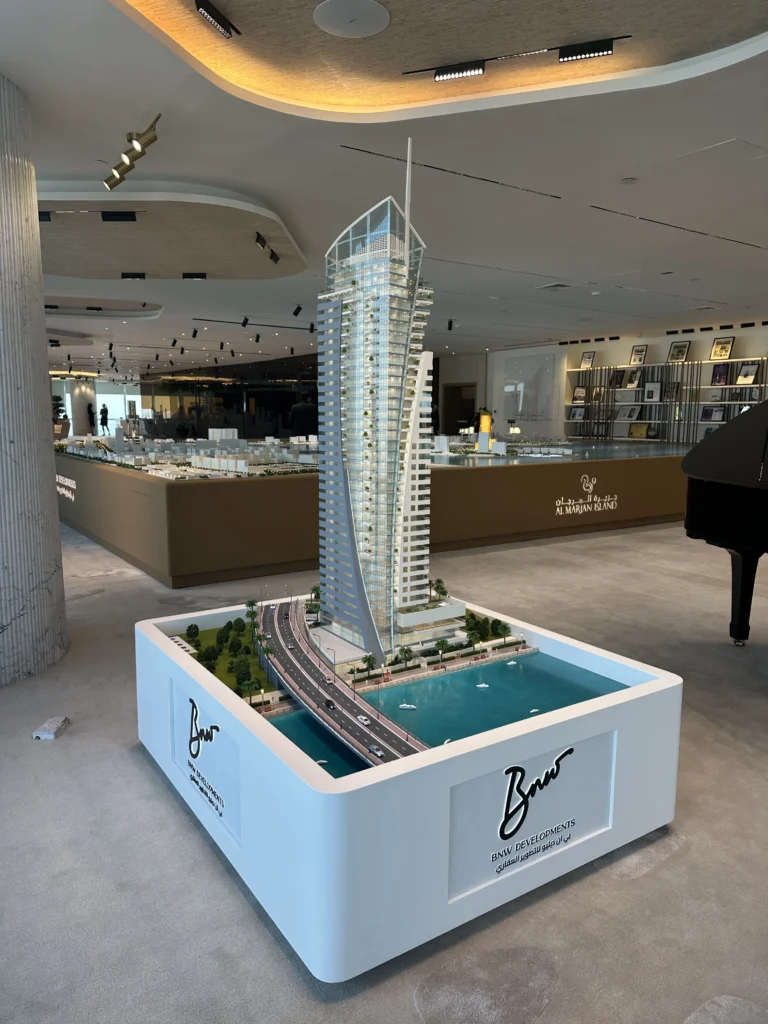
Why Scale Models Still Matter in Dubai’s Property Market Dubai has built a global reputation for developing some of the world’s most iconic skylines, luxury communities, and large-scale mixed-use developments. From waterfront destinations to master-planned cities, real estate projects in Dubai continue to attract investors from around the world. As competition grows, developers need effective ways to communicate their vision before construction is complete. This is where Scale Models in Dubai continue to deliver exceptional value. Despite advances in virtual reality, 3D rendering, and digital walkthroughs, physical scale models remain one of the most persuasive marketing tools in the real estate industry. A professionally crafted architectural model allows buyers, investors, and stakeholders to understand the full scope of a development in seconds, something that can be difficult to achieve through drawings or digital presentations alone. Leading model makers in Dubai combine traditional craftsmanship with advanced manufacturing technologies to create highly detailed representations of residential, commercial, hospitality, and infrastructure projects. These models help communicate design intent, improve buyer confidence, and support faster decision-making throughout the sales process. Whether displayed in developer sales galleries, international exhibitions, or investor meetings, scale model making Dubai services continue to play a significant role in successful property marketing. What Makes Scale Models So Effective? Real estate decisions often involve significant financial commitments. Buyers want to understand exactly what they are investing in before making a purchase. Unlike flat floor plans or static renderings, physical models provide a comprehensive three-dimensional perspective that reveals: Professional architectural model makers Dubai transform complex architectural drawings into realistic visual presentations that simplify communication for everyone involved. Modern architectural model making in Dubai often integrates innovative technologies such as: These enhancements make presentations more engaging while helping visitors explore developments in greater detail. Top Use Cases for Scale Models in Dubai Real Estate Marketing 1. Selling Off-Plan Developments Off-plan sales represent a major segment of Dubai’s real estate market. Since buyers cannot physically visit a completed property, developers must rely on compelling visual tools to build trust. Scale models allow potential buyers to visualize: Instead of imagining the project from brochures, visitors immediately understand how the entire development will look upon completion. Many model making companies in Dubai specialize in creating sales gallery models specifically designed to improve off-plan property marketing. 2. Master Plan Presentations Large developments often include multiple construction phases spanning several years. A master plan scale model making solution helps developers communicate the project’s long-term vision by showcasing: Master plan models are frequently used during: Because every element is presented within one physical model, stakeholders gain a much clearer understanding of the project’s overall scope. 3. Luxury Villa Communities Dubai is known for its premium residential developments featuring waterfront villas, golf communities, and gated neighborhoods. Developers use Scale Models in Dubai to showcase: A detailed architectural model helps buyers appreciate not only the home itself but also the lifestyle offered by the surrounding community. Professional architectural scale model makers focus on realistic finishes, miniature vegetation, lighting, and terrain to create visually striking presentations that leave a lasting impression. 4. Commercial Real Estate Marketing Commercial developments require investors to understand more than just a building’s appearance. Physical models help demonstrate: For commercial leasing teams, a well-designed model becomes a valuable sales tool that simplifies conversations with tenants and investors. Many architectural model making services also include removable building sections, illuminated interiors, and interchangeable components to highlight different leasing opportunities. 5. Mixed-Use Developments Dubai continues to develop integrated communities where residents can live, work, shop, and enjoy leisure activities within a single destination. These projects often include: Communicating the relationships between these elements can be challenging through digital media alone. A physical scale model provides a complete overview, helping buyers understand how each component connects within the wider development. This makes model makers in the UAE an important partner for developers planning large mixed-use communities that require clear and engaging presentations. 6. Investor Presentations and Stakeholder Meetings Securing investment for large real estate developments requires more than architectural drawings and financial projections. Investors want a clear understanding of the project’s scale, location, and long-term potential. This is where Scale Models in Dubai become an invaluable communication tool. A professionally crafted model helps investors quickly visualize: Instead of interpreting complex technical drawings, stakeholders can immediately grasp the project’s vision. This often leads to more productive discussions and greater confidence during investment presentations. Many leading model making companies in Dubai develop presentation models specifically for boardrooms, investment forums, and international exhibitions. 7. Government Approvals and Urban Planning Scale models are also widely used beyond sales and marketing. Government authorities, municipalities, architects, planners, and consultants often rely on physical models to evaluate major developments before construction begins. Typical applications include: A detailed physical model allows reviewers to better understand how a proposed development integrates with its surroundings. Experienced architectural model makers in UAE work closely with architects, engineers, and developers to ensure every aspect of the project is accurately represented. 8. International Property Exhibitions Dubai developers frequently participate in international property exhibitions to attract overseas investors. These events are highly competitive, making it essential to stand out from hundreds of exhibitors. Large architectural models naturally become the centerpiece of an exhibition stand because they: Whether showcasing a luxury waterfront community or an entire master-planned city, physical models consistently outperform static brochures in attracting visitor interest. Many model makers UAE also design modular exhibition models that can be safely transported and assembled at global trade shows. 9. Interactive Sales Gallery Experiences Today’s property buyers expect immersive experiences. To meet these expectations, many developers are combining traditional craftsmanship with advanced digital technology. Modern interactive scale model makers now integrate features such as: Visitors can explore different project phases, amenities, and infrastructure with a simple touch, making presentations more engaging and informative. This combination of physical craftsmanship and digital interaction creates a memorable experience that supports stronger buyer engagement. Why Scale Models Continue to Deliver Results While digital visualization tools continue to evolve, physical models remain
Personalized Award: How Customization Increases Value | Crystal Awards Dubai
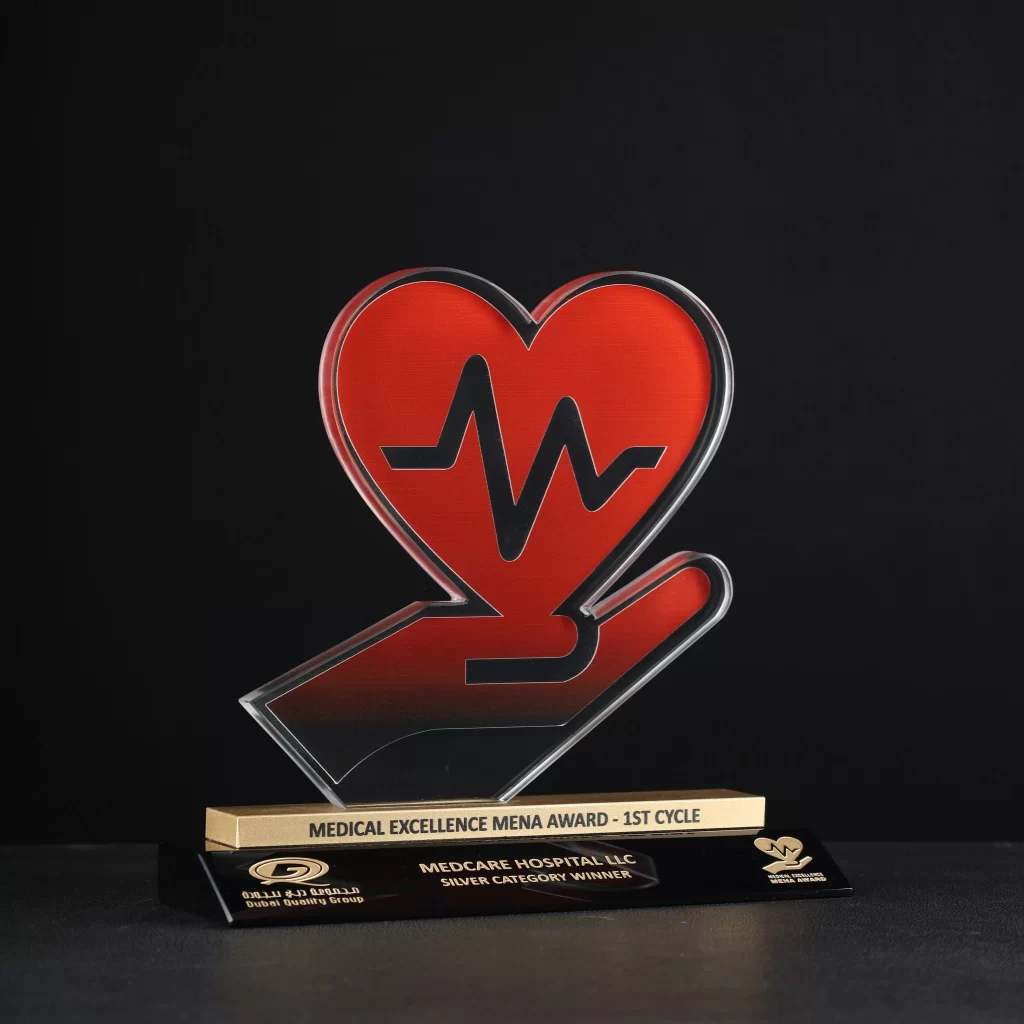
Personalized Award: How Customization Increases Perceived Value and Makes Recognition More Meaningful Recognition becomes far more memorable when it feels personal. While any trophy can acknowledge an achievement, a Personalized Award tells a story. It reflects the recipient’s accomplishments, celebrates a specific milestone, and creates an emotional connection that lasts well beyond the award ceremony. Whether presented during an employee recognition event, a corporate anniversary, a leadership conference, or a sports competition, customized recognition consistently carries greater perceived value than standard, off-the-shelf products. Organizations across the UAE are increasingly choosing crystal awards, custom trophies, and engraved recognition pieces because they communicate appreciation in a meaningful way. For businesses searching for premium awards and trophies Dubai, personalization has become an essential part of creating memorable recognition experiences rather than simply distributing awards. Why Personalization Matters More Than Ever Recognition is about people, not objects. When recipients receive an award designed specifically for them, they immediately recognize the additional effort behind it. Their name, achievement, company branding, event details, and personalized message transform a simple trophy into a lasting symbol of success. This difference directly affects perceived value. A generic award may be appreciated for the moment. A personalized award is often displayed for years because it represents a unique accomplishment that cannot be replaced. Organizations investing in trophies and awards increasingly understand that customization helps reinforce company culture, improve employee engagement, and strengthen emotional connections. The Psychology Behind a Personalized Award People naturally place greater value on items created specifically for them. Several psychological principles explain why customized recognition has a stronger impact. Individual Identity Everyone enjoys feeling recognized as an individual rather than part of a group. Including personal details such as: creates an award that belongs exclusively to one person. Instead of receiving “Employee of the Month,” receiving: “Presented to Sarah Ahmed for Outstanding Leadership in Project Excellence 2026” feels considerably more meaningful. Emotional Connection Awards often represent months or years of dedication. When customization reflects that journey, recipients associate the award with: These emotional associations dramatically increase perceived value. Sense of Exclusivity Luxury products are often valued because they are unique. The same principle applies to recognition awards. A Personalized Award cannot simply be purchased from a shelf. It is designed specifically for one individual or one event, making it naturally more exclusive. This uniqueness contributes significantly to how recipients perceive quality. How Customization Changes the Value of Crystal Awards Among all recognition products, crystal awards offer exceptional opportunities for personalization. Crystal provides excellent clarity, precision engraving, and premium aesthetics that enhance every customized detail. Personalization options include: These features transform a simple crystal block into a distinctive recognition piece. Businesses looking for premium crystal awards Dubai often select custom designs because they better represent their brand identity and corporate values. Personalization Reflects Your Company’s Brand Recognition is also a branding opportunity. Every award presented at a corporate event represents the organization behind it. Customized awards allow companies to include: This consistency strengthens the professional image of the organization while creating a cohesive awards ceremony. Many companies working with a crystal awards supplier now request completely bespoke award designs rather than selecting standard catalog products. Why Crystal Is the Preferred Material Several award materials exist, including acrylic, resin, wood, and metal. However, crystal continues to be associated with prestige. Crystal awards offer the following: These characteristics make crystal particularly suitable for executive recognition, leadership awards, corporate milestones, innovation awards, and international business events. For organizations seeking premium crystal trophies Dubai, quality craftsmanship combined with personalization creates significantly greater perceived value. Every Achievement Deserves a Different Design One common mistake organizations make is ordering identical awards for every recognition category. Different achievements deserve different visual identities. Examples include: Leadership Awards Elegant crystal towers with engraved executive branding. Innovation Awards Modern geometric designs representing creativity. Sales Excellence Bold crystal plaques highlighting measurable achievements. Long Service Recognition Classic crystal obelisks with years of service engraved. Sports Championships Dynamic custom trophies celebrating athletic excellence. This variety helps recipients feel their individual achievements have been thoughtfully recognized rather than processed through a standard template. Personalization Creates Lasting Display Value Many recipients proudly display awards in: A personalized award becomes part of their professional identity. Years later, recipients still remember: That lasting visibility increases the overall return on investment for businesses purchasing custom recognition awards. Businesses Across Dubai Prefer Customized Recognition Across industries including construction, healthcare, education, hospitality, finance, technology, manufacturing, and government organizations, demand for customized awards continues to grow. Rather than selecting generic products, companies now seek experienced crystal trophy supplier in Dubai partners capable of creating awards tailored to each event. Customized designs help organizations differentiate annual award ceremonies while reinforcing professionalism and attention to detail. Whether recognizing employees, partners, customers, or industry leaders, personalization creates a stronger impression than standard recognition products. Personalized Awards Strengthen Employee Motivation Recognition has a direct impact on employee morale and workplace culture. When employees receive a thoughtfully designed Personalized Award, they feel that their individual efforts have been noticed rather than simply acknowledged as part of a routine program. Personalized recognition can contribute to: A well-crafted award also encourages other team members to strive for excellence, creating a positive cycle of recognition and achievement. Personalized Awards for Different Industries Customization allows organizations to design awards that suit their industry, audience, and event. Corporate Recognition Corporate awards often celebrate: Elegant crystal awards with engraved company branding are a popular choice for these occasions. Educational Institutions Schools, colleges, and universities use personalized awards for: Adding the institution’s logo, recipient name, and event details creates a meaningful keepsake. Sports Competitions Customized sports trophies recognize both individual and team accomplishments. Engraved details such as tournament names, categories, and winning teams make each trophy unique. Many organizations looking for sports trophies Dubai prefer custom designs that reflect the spirit of the competition. Government and Public Sector Government departments and public organizations frequently present awards during official ceremonies, appreciation events, and national celebrations. Premium crystal awards help convey professionalism
AI 3D Printing: How Smart Design Tools Are Changing the Industry
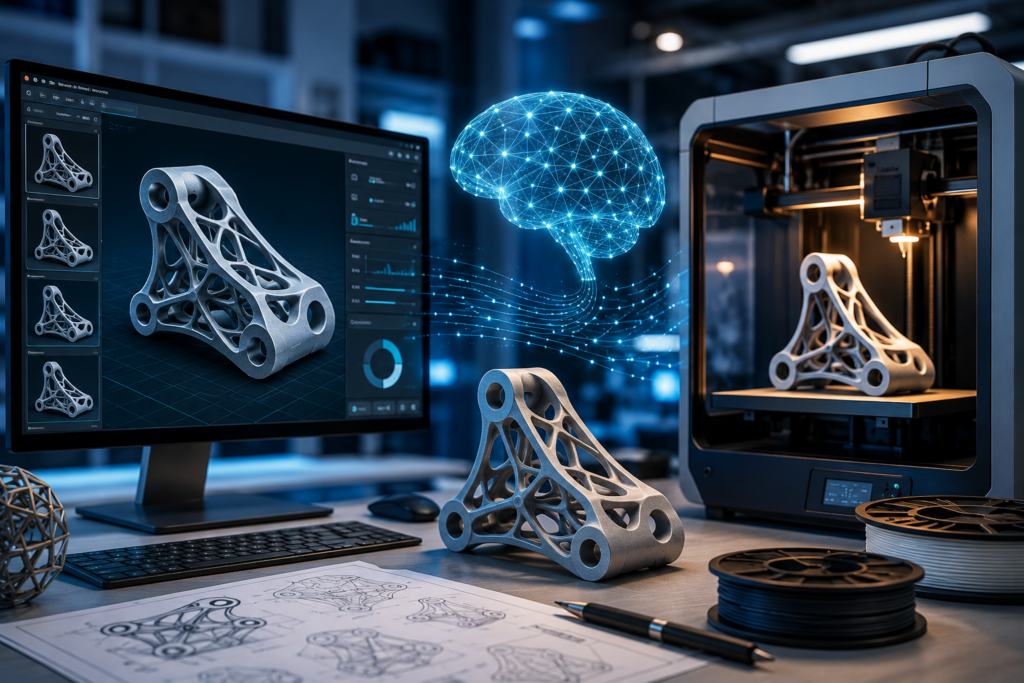
Artificial intelligence is rapidly transforming industries worldwide, and additive manufacturing is no exception. AI 3D printing is reshaping how products are designed, optimized, and manufactured by combining intelligent software with advanced 3D printing technologies. From automated design generation to predictive quality control, AI-driven tools are helping engineers, designers, manufacturers, and 3D printing companies create better products while reducing development time and costs. As the technology continues to evolve, businesses are discovering new opportunities to improve efficiency, innovation, and customization. In regions such as the UAE, where innovation and digital transformation are major priorities, the adoption of AI-powered 3D printing solutions is growing across industries, including architecture, healthcare, automotive, aerospace, and product development. What Is AI 3D Printing? AI 3D printing refers to the integration of artificial intelligence technologies into the 3D printing workflow. These systems use machine learning algorithms, data analysis, and intelligent automation to improve various stages of design and manufacturing. Instead of relying solely on manual design processes, AI tools can: The result is faster product development and more efficient manufacturing processes. How AI Is Transforming the 3D Printing Industry 1. Generative Design Creates Smarter Products One of the biggest advancements in AI+3D printing is generative design. Engineers can define goals such as weight reduction, strength requirements, material constraints, and manufacturing limitations. AI software then generates multiple optimized design options that meet these requirements. Benefits include: This approach is increasingly used in aerospace, automotive, and industrial manufacturing applications. 2. Faster Product Development and Prototyping Traditional product development often requires multiple design revisions and physical prototypes. AI helps automate design optimization, allowing businesses to move from concept to prototype much faster. This is particularly valuable for companies offering: By reducing trial-and-error cycles, businesses can launch products more quickly and efficiently. AI Improves Print Quality and Accuracy Predictive Quality Control Modern AI systems can monitor print parameters in real time. By analyzing large datasets, AI can identify potential printing defects before they occur, including: This proactive approach improves production reliability and reduces waste. Process Optimization AI algorithms can automatically adjust: These adjustments help achieve higher-quality results while maximizing production efficiency. AI and Industrial 3D Printing Industrial manufacturers are increasingly adopting AI-powered workflows to improve productivity. Many industrial 3D printing companies now use artificial intelligence to optimize production schedules, monitor machine performance, and predict maintenance requirements. Benefits include: As industrial applications expand, AI is becoming an essential component of modern additive manufacturing. AI 3D Printing in Architecture Architectural model making has traditionally been a labor-intensive process. Today, AI-assisted design tools can help architects: Combined with architectural 3D printing services, AI enables faster creation of highly detailed presentation models, master plans, and urban development projects. AI 3D Printing for Healthcare Healthcare is another sector benefiting from AI-powered manufacturing. Medical professionals can use AI to design: As medical 3D printing companies continue to adopt intelligent design tools, personalized healthcare solutions are becoming more accessible and efficient. AI 3D Printing for Aerospace and Automotive Industries Aerospace Applications The aerospace industry prioritizes lightweight and high-performance components. AI-generated designs often create complex geometries that would be difficult to manufacture using traditional methods but can be produced through advanced 3D printing technologies. Common applications include: Automotive Applications Automotive manufacturers are leveraging 3D printing for: These capabilities accelerate innovation while reducing production costs. The Potential of AI 3D Printing in Dubai and the UAE The UAE has placed significant emphasis on advanced manufacturing, digital innovation and 3D printing. As these technologies develop, AI-assisted design and manufacturing tools could create new opportunities across architecture, product development and industrial applications.. Many 3D printing companies in Dubai are integrating intelligent software into their workflows to deliver: Whether for architecture, industrial applications, product development, or custom awards, AI is becoming a valuable tool for modern manufacturing operations. AI and Custom Manufacturing Consumers and businesses increasingly demand customized products. AI helps streamline customization by automatically adapting designs based on customer requirements while ensuring manufacturability. Applications include: This combination of intelligence and manufacturing flexibility is creating new opportunities for businesses worldwide. Key Benefits of AI 3D Printing The growing adoption of AI 3D printing is driven by several major advantages: Faster Design Cycles AI reduces the time required to develop and optimize products. Reduced Material Waste Smart design optimization minimizes unnecessary material usage. Improved Product Performance AI-generated designs often outperform traditionally designed alternatives. Better Manufacturing Efficiency Automated workflows improve consistency and reduce manual intervention. Greater Customization Businesses can efficiently create tailored products for individual customers. The Future of AI 3D Printing The future of 3D printing looks increasingly promising. Emerging developments include: As artificial intelligence continues to evolve, its integration with additive manufacturing will unlock new levels of innovation and efficiency across industries. Conclusion AI is expanding what is possible within 3D printing, from generative design and predictive quality control to more efficient prototyping and manufacturing workflows. As technology advances, organizations that embrace AI-powered additive manufacturing will be better positioned to innovate, reduce costs, and meet growing customer demands. At Crystal Corporation LLC, we continuously explore advanced technologies to support innovative product development, architectural model making, prototyping, and custom manufacturing solutions. If you’re looking for professional 3D printing services in Dubai and the UAE, our team can help bring your ideas from concept to reality with precision and quality.
Industrial Scale Models for Oil & Gas Projects in the UAE
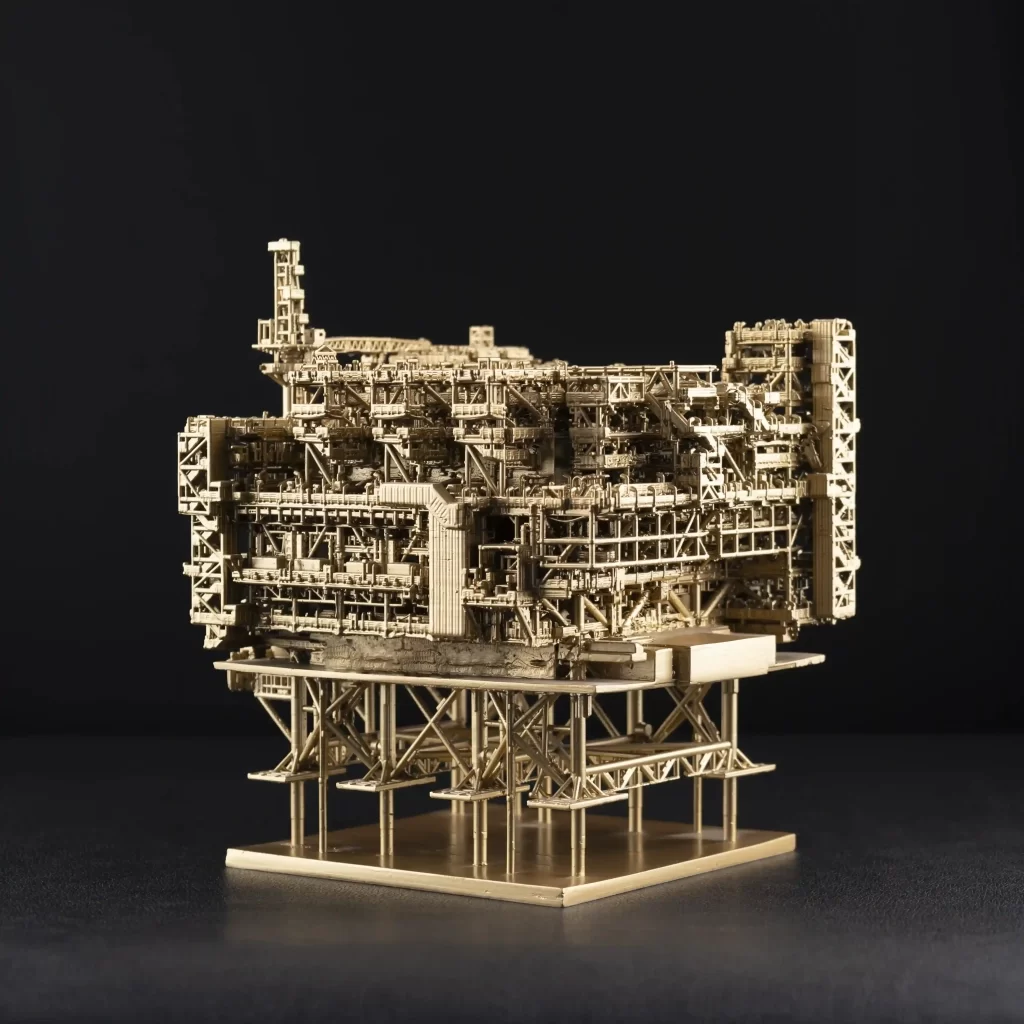
The oil and gas industry relies on precision, planning, and effective communication. Large-scale infrastructure projects often involve multiple stakeholders, complex engineering systems, and significant investments. This is where Industrial Scale Models become valuable tools for visualization, project presentations, engineering reviews, and stakeholder engagement. Across the UAE, industrial developers, engineering consultants, EPC contractors, and government entities use detailed scale models to showcase refineries, offshore facilities, petrochemical plants, storage terminals, and energy infrastructure before construction begins. As experienced industrial model makers and model makers in the UAE, we understand how physical scale models transform technical concepts into clear, engaging, and easy-to-understand presentations. Why Industrial Scale Models Matter in Oil & Gas Projects Oil and gas developments often involve highly technical designs that can be difficult for investors, decision-makers, and non-technical stakeholders to interpret from drawings alone. Industrial scale models provide a tangible representation of a project, allowing viewers to understand: A well-crafted scale model bridges the gap between engineering documentation and real-world understanding. The Growing Demand for Industrial Model Making in the UAE The UAE continues to invest heavily in energy infrastructure, petrochemical facilities, renewable energy projects, logistics hubs, and industrial developments. As a result, demand for professional model making in Dubai and across the UAE continues to grow. Organizations frequently commission industrial models for: Project Launch Presentations Physical models create a powerful visual impact during project announcements and investment meetings. Investor and Stakeholder Communication Scale models help simplify complex industrial processes and improve stakeholder understanding. Trade Shows and Exhibitions Energy companies often use industrial models at exhibitions to attract attention and explain project capabilities. Engineering Coordination Detailed models allow teams to review layouts and identify potential design improvements before construction begins. Types of Industrial Scale Models Used in Oil & Gas Projects Refinery Scale Models These models showcase processing units, storage tanks, pipe racks, flare systems, utilities, and operational zones. Petrochemical Plant Models Petrochemical facilities often require highly detailed representations of production systems and supporting infrastructure. Offshore Platform Models Offshore oil and gas facilities can be recreated with exceptional accuracy to demonstrate operational workflows and engineering concepts. LNG Terminal Models Liquefied natural gas projects benefit from physical models that help communicate complex loading, storage, and processing systems. Pipeline Network Models Large-scale pipeline infrastructure can be visualized clearly through customized industrial models. How Modern Industrial Scale Models Are Created Today’s industrial model making process combines traditional craftsmanship with advanced digital technologies. As a leading model making company serving clients across the UAE, our workflow typically includes: 1. Project Data Collection Engineering drawings, CAD files, BIM models, GIS data, and project documentation are reviewed. 2. 3D Digital Development Our design team creates accurate digital representations before production begins. This is why many clients seek a specialized 3D model making company Dubai professionals can trust for complex projects. 3. Precision Fabrication Using advanced manufacturing methods, model components are produced with exceptional accuracy. 4. Assembly and Detailing Buildings, equipment, pipelines, roads, utilities, and landscape features are carefully assembled and finished. 5. Lighting and Interactive Features Modern industrial models can include: This has increased demand for interactive scale model makers capable of delivering engaging exhibition-quality models. Benefits of Industrial Scale Models for Oil & Gas Companies Improved Project Understanding Complex infrastructure becomes easier to interpret and discuss. Enhanced Decision-Making Visualizing the entire project helps identify opportunities and challenges earlier. Stronger Stakeholder Engagement Physical models generate greater interest and understanding compared to technical drawings alone. Effective Marketing and Public Relations Industrial scale models are powerful tools for exhibitions, investor meetings, and corporate presentations. Long-Term Display Value Many organizations permanently display project models in headquarters, visitor centers, and executive offices. Industrial Models vs Digital Visualization While digital renderings and virtual walkthroughs have become common, physical models remain highly effective. A physical industrial scale model provides: Many organizations combine both physical and digital visualization tools for maximum effectiveness. Choosing Experienced Industrial Model Makers in the UAE Not all model making companies have the expertise required for complex industrial projects. When selecting industrial model makers, consider: The best model makers UAE companies combine technical knowledge, creative craftsmanship, and advanced production technologies. Why UAE Energy Projects Continue to Invest in Scale Models The UAE remains one of the world’s most active regions for energy and industrial development. Major infrastructure investments continue to drive demand for: Many clients seeking master plan scale model making services also require industrial-scale representations that demonstrate how facilities integrate with surrounding infrastructure. Why Crystal Corporation LLC At Crystal Corporation LLC, we specialize in producing highly detailed Industrial Scale Models for oil and gas, industrial, infrastructure, and large-scale development projects. Our team combines engineering understanding, digital modeling expertise, precision fabrication, and meticulous craftsmanship to create presentation-quality models that communicate complex projects clearly and effectively. Whether you require a refinery model, petrochemical plant model, offshore facility model, logistics hub model, or custom industrial presentation model, we deliver solutions tailored to your project’s objectives. Conclusion Industrial scale models remain one of the most effective visualization tools available for oil and gas projects in the UAE. They simplify complex engineering concepts, strengthen stakeholder communication, enhance project presentations, and support informed decision-making. As industrial developments continue to expand across the region, professionally crafted industrial models will remain essential assets for project developers, engineering firms, investors, and government organizations. Request a Custom Industrial Scale Model Looking for experienced industrial model makers in the UAE? Crystal Corporation LLC provides custom industrial scale model solutions for oil and gas projects, energy infrastructure, petrochemical facilities, logistics developments, and large-scale industrial investments. Contact our team today to discuss your project requirements and discover how a professionally crafted industrial scale model can bring your vision to life.
Trophy Types Explained: Cups, Plaques, Shields, Medals & Crystal Awards Guide (2026)

A Complete Guide to Trophy Types: Cups, Plaques, Shields, Medals & Crystal Awards Explained Recognition matters. A well-designed award does more than celebrate an achievement. It creates a lasting memory, reflects the value of success, and represents the identity of a company, sports team, school, or organization. Here’s the thing: many people search for trophies and awards without realizing there are dozens of trophy types available. The right option depends on the event, audience, budget, and purpose. Whether you’re ordering sports trophies Dubai, corporate recognition awards, school medals, or luxury crystal awards, understanding different Trophy Types helps you choose something meaningful rather than simply selecting the first option available. If you’re looking for awards and trophies Dubai businesses trust, this guide breaks down the most popular categories and where each works best. Why Understanding Trophy Types Matters Not all awards communicate the same message. A championship cup creates excitement. A crystal award conveys prestige. A plaque often feels timeless and professional. A medal represents personal achievement. Choosing the wrong style can make even an important event feel generic. The right trophy should match: Businesses searching for trophies in Dubai increasingly want awards that combine personalization with modern design rather than off-the-shelf products. 1. Cup Trophies Cup trophies are among the most recognizable trophy types worldwide. Traditionally associated with sporting events, cups symbolize victory and competition. Common Uses Cup trophies are popular because they instantly communicate achievement. Large championship cups create impact during award presentations and photographs. Advantages ✔ Classic appearance✔ Highly recognizable✔ Available in multiple sizes✔ Great for team achievements Limitations Some traditional cups can appear generic unless customized. Modern suppliers now offer engraved logos, custom bases, and unique design enhancements. 2. Plaque Awards Plaques remain one of the most professional recognition formats. Unlike standing trophies, plaques are usually wall-mounted or desk displayed. Popular Uses Plaques work especially well because text and personalization become a major visual feature. Organizations often use them when recognizing long-term contributions. 3. Shield Trophies Shield awards combine traditional prestige with decorative design. Historically, shields represented protection and honor. Today, they remain a popular choice in schools, clubs, and institutions. Common Applications Many educational institutions still choose shields due to their formal appearance. 4. Medal Awards Medals create a different emotional experience. Instead of displaying achievement at home or in an office, medals become personal keepsakes worn by winners. Frequently Used For Sports organizations searching for sports trophies Dubai often combine medals with larger championship awards. For example: 1st place → Trophy2nd and 3rd → Medals This creates balanced recognition without increasing event budgets significantly. 5. Crystal Awards Among premium Trophy Types, crystal awards have become one of the fastest growing categories. Modern companies increasingly prefer crystal awards because they create a luxury feel and fit contemporary office environments. Unlike traditional metal or plastic trophies, crystal designs emphasize elegance and sophistication. Popular Corporate Uses Businesses searching for crystal trophies Dubai often prefer customized crystal because of its premium appearance. Why Crystal Awards Continue Growing in Popularity Several factors explain their rise. Premium Appearance Crystal reflects light beautifully and creates a high-end finish. Greater Customization Laser engraving allows: Long-Term Display Value Many winners keep crystal awards displayed for years. Custom Trophy Trends in 2026 Recognition trends continue changing. Today, customers searching for customised trophies Dubai increasingly want awards that feel unique rather than mass-produced. Popular trends include: Minimalist crystal designs Clean geometry and modern shapes continue growing. Hybrid materials Wood, acrylic, crystal, and metal combinations create unique visual styles. 3D personalization Advanced production technologies allow highly customized forms. Corporate branding integration Awards now include stronger visual identity elements. Sustainable materials Eco-conscious award production is becoming more important. How to Choose the Right Trophy Type Before selecting an award, ask these questions: Is it formal or casual? Corporate ceremonies often favor crystal or plaques. Sports events often favor cups and medals. Individual or team recognition? Large teams usually benefit from cups. Personal recognition often works better with plaques or crystal awards. Display environment Office desks, walls, trophy cabinets, and homes all influence trophy selection. Customization needs If logos and branding matter heavily, crystal and acrylic options often provide flexibility. Why Businesses in Dubai Prefer Custom Trophy Solutions Businesses searching for trophy supplier in Dubai, trophy shop Dubai, and trophy shops in Dubai increasingly want awards that reflect company identity rather than generic catalog products. Customization now plays a major role because organizations want: Across trophies UAE markets, personalized awards continue replacing standard stock designs. Why Expertise Matters When Ordering Awards A trophy isn’t simply a product. Materials, proportions, engraving quality, production methods, and presentation all affect the final result. At Crystal Corporation LLC, we specialize in creating custom trophies and awards, premium crystal awards Dubai, and unique recognition products tailored for businesses, schools, sports organizations, and events. As experienced specialists and a trusted crystal trophy supplier in UAE, we combine design expertise with advanced production methods to create awards that leave lasting impressions. Whether you need luxury crystal trophies, sports recognition pieces, or fully customized corporate awards, selecting the right trophy type makes all the difference. Final Thoughts Understanding different Trophy Types helps ensure recognition feels meaningful rather than ordinary. Whether you choose cups, plaques, medals, shields, or premium crystal awards, the goal remains the same: celebrate achievement in a memorable way. Looking for custom-made awards created by experts? Crystal Corporation LLC designs and manufactures premium trophies and awards, luxury crystal awards, and customized recognition products for businesses and events across Dubai and the UAE. Create awards that people remember long after the event ends.
On Demand 3D Printing: The New Production Model Transforming Manufacturing in Dubai & UAE (2026 Guide)
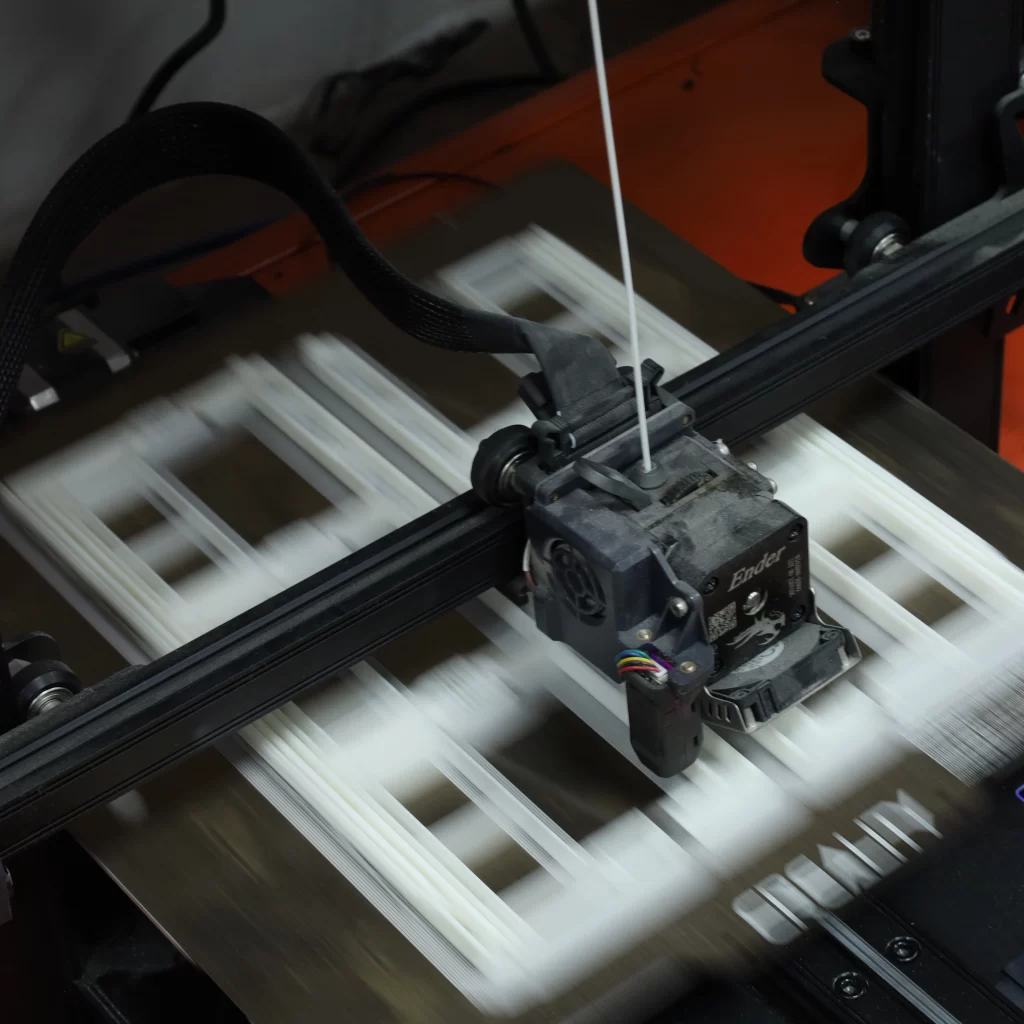
Manufacturing isn’t waiting anymore. Here’s the thing: businesses don’t want bulk production, long lead times, or wasted inventory. They want parts, prototypes, and finished products exactly when they need them. That’s where On Demand 3D Printing changes everything. From 3D printing companies in Dubai to global manufacturers, the shift is clear: production is becoming faster, smarter, and completely flexible. What is On Demand 3D printing? At its core, On Demand 3D Printing means producing parts only when they are needed—no large stockpiles, no overproduction. Instead of traditional manufacturing delays, companies can now: This model is now widely used across 3D printing services in UAE, engineering, architecture, automotive, aerospace, and product design industries. Why On Demand 3D Printing is Disrupting Manufacturing Let’s break it down. 1. No Inventory Waste Traditional manufacturing depends on bulk production. On demand eliminates unnecessary stock, reducing cost and storage needs. 2. Faster Prototyping & Iteration With 3D printing prototyping services, engineers can test multiple versions in days instead of weeks. 3. Customization at Scale From custom 3D printing services Dubai to industrial components, every part can be tailored without slowing production. 4. Lower Production Risk You only produce what is needed. That means fewer losses if a design changes. Industries Driving On Demand 3D Printing This isn’t limited to one sector. It’s spreading fast across the UAE and globally. 🏗 Architecture & Construction Used for architectural 3D printing services and scale models for presentations and approvals. 🚗 Automotive & Aerospace Lightweight parts, functional prototypes, and performance testing components. 🏥 Medical Sector Precision-based applications from implants to anatomical models (handled by medical 3D printing companies). 🏆 Corporate & Branding High-end 3D printed trophies and awards services are replacing traditional manufacturing methods for corporate recognition. On Demand 3D Printing in Dubai & UAE Market Growth Dubai is becoming a major hub for digital manufacturing. Search demand is rising for: Why? Because industries here need speed, customization, and high-quality output without import delays. This is pushing growth for: On Demand 3D Printing vs Traditional Manufacturing Traditional manufacturing struggles with: On demand manufacturing solves all of it. What this really means is:You design today → produce tomorrow → deliver faster. That’s why on-demand 3D printing companies are becoming the default choice for modern production workflows. Custom Manufacturing Without Limits Modern businesses now rely on: Even niche requirements like 3D printing for automotive or 3D printing for aerospace are now fully achievable on demand. Why Businesses in UAE Are Switching to On Demand 3D Printing The UAE market is uniquely positioned for this shift because: This is why searches for 3D printing services near me, 3D printing shops in Dubai, and 3D printing companies in UAE keep increasing. Where Crystal Corporation LLC Fits In At Crystal Corporation LLC, we work at the intersection of precision design and modern manufacturing. We specialize in: We don’t just print. We build production-ready solutions that actually fit real-world use cases. Conclusion On Demand 3D Printing is no longer a future concept. It’s already reshaping how products are designed, tested, and manufactured. From 3D printing manufacturing Dubai to global industrial applications, the shift is simple: Less waste. Faster output. More control. If you’re exploring 3D printing for prototypes, industrial parts, architectural models, or custom awards, Crystal Corporation LLC can support you from concept to final production. Let’s build what you need, exactly when you need it.