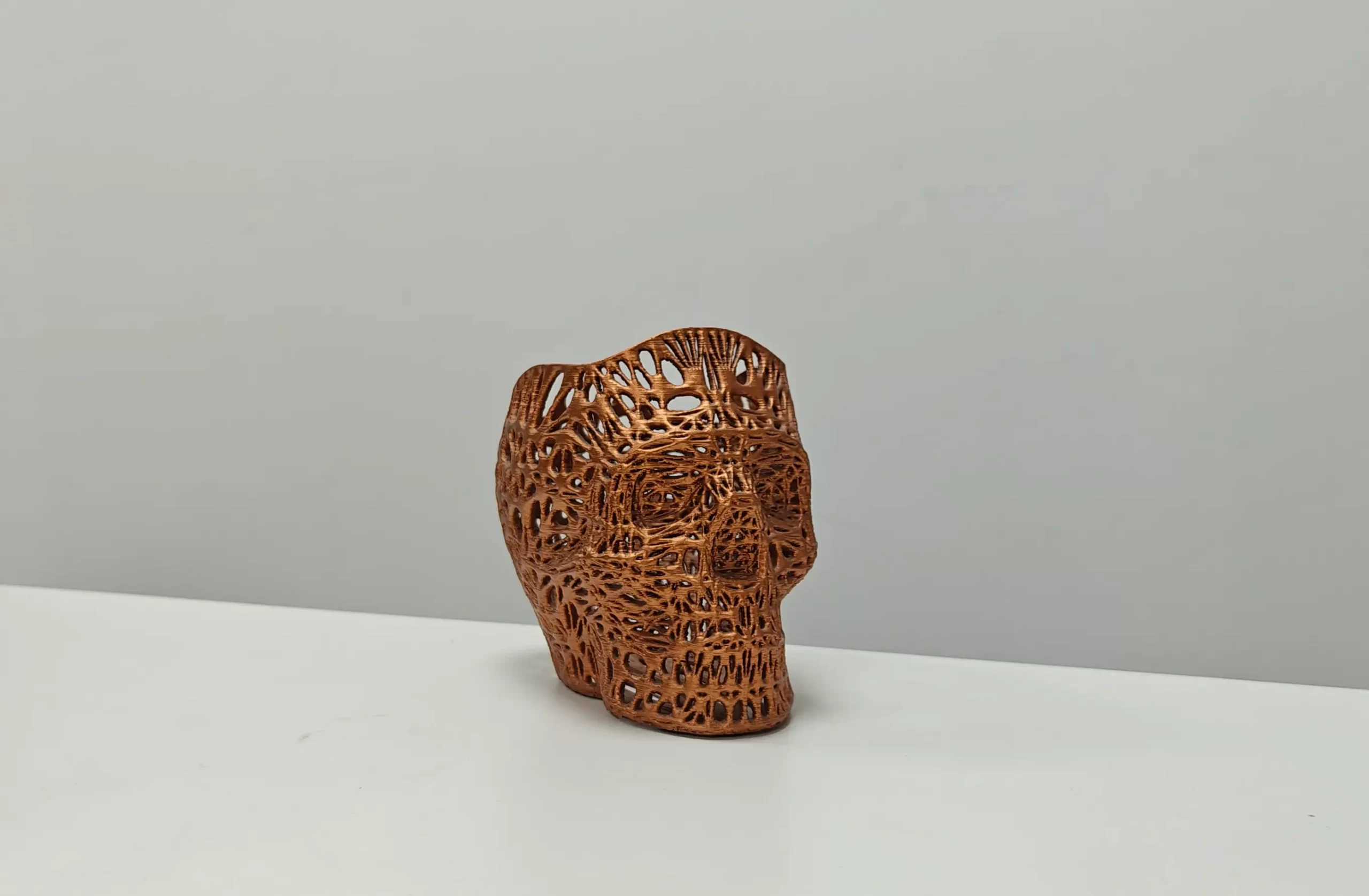

3D printing and traditional manufacturing are often seen as rivals, but the truth is more nuanced. While 3D printing changes how we design, produce, and deliver products, it’s unlikely to completely replace traditional methods anytime soon. Let’s break it down.
What 3D Printing and Traditional Manufacturing Really Mean
Traditional manufacturing relies on processes like injection molding, CNC machining, and casting. These methods excel at producing high volumes with consistent quality.
3D printing, also called additive manufacturing, builds products layer by layer. This approach allows for custom designs, rapid prototyping, and less waste. In Dubai, demand for 3D printing services keeps rising as more 3D printing companies in Dubai offer solutions for industries from architecture to healthcare.
Can 3D Printing Fully Replace Traditional Manufacturing?
Probably not—at least not yet. Here’s why:
- Mass production speed: Traditional manufacturing produces thousands of identical parts in hours. In comparison, 3D printing still takes more time for large batches.
- Cost efficiency at scale: For big orders, molds and tooling in traditional manufacturing bring a lower cost per unit.
- Material variety: Although 3D printing companies Dubai now work with more materials, some industrial alloys and composites remain better for traditional processes.
Even so, 3D printing already replaces traditional methods in projects that need low-volume runs, high customization, or complex geometries.
Where 3D Printing Outshines
First, it speeds up prototyping and testing. With 3D printing services in UAE, businesses create working prototypes in days instead of weeks.
Second, it enables customization. Many 3D printing shops in Dubai make one-off designs, from personalized awards to specialized industrial parts.
Third, it improves supply chain flexibility. Instead of storing huge inventories, companies keep digital files and print parts when needed.
The Future: A Hybrid Model
The future likely lies in a hybrid manufacturing model where 3D printing companies in Dubai and traditional factories work side by side.
Here’s how it could look:
- Teams prototype using 3D printing in Dubai for speed.
- Once the design is finalized, traditional manufacturing takes over for large-scale runs.
- For special editions or replacements, 3D printing services Dubai step back in.
Many industries already follow this path, and Dubai’s manufacturing sector is quickly adopting it.
Final Word
3D printing and traditional manufacturing don’t compete—they complement each other. Companies that combine both will save time, cut waste, and meet customer demands faster.
If you want to see what’s possible with a 3D printing company in Dubai—whether you need a prototype, architectural model, or custom part—our team can turn your idea into reality.